I have to admit I arrived fashionably late to the WordPress party, believing it was not yet ready for prime time, until I was actually forced into using it when Blogger decided no longer to support FTP. At the time I had 22 clients whose blogs I had happily integrated into their Dreamweaver websites using Blogger as an engine.
Most of my clients did not want to be told their content would now have to reside on the blogspot.com network. So I set about looking for a solution, something that could beautifully drive time-related, tagged web content via a database and RSS. My exposure to WordPress had mostly been limited to a few clients tinkering on their own with the standard WordPress blue default theme.
I was already using another system, Joomla, as well as MySQL and php, which were drawing my attention away from the classic ASP, Microsoft SQL and Access-driven websites I had been creating with Dreamweaver. I understood that the future of websites would be database-driven, modular content separate from its styling. Even more important, the future needed to provide my clients with an easy way to safely update their own content. Joomla was powerful, but also frustrating. Dreamweaver was expensive and its learning curve fairly steep.
When I discovered that WordPress had evolved from a blog engine to a full content management system, and that it offered even more to developers willing to open the hood and explore its “Code Is Poetry” open source underpinnings, it was a match made in heaven.
I have never looked back. WordPress is reliable, stable, robust, fun. It has lifted up the look and feel and function of websites around the world and given launch to many successful enterprises. Its power, free availability, efficiency and simplicity are no doubt among the many reasons it is used on millions of websites.
While it’s still not the only tool in my toolbox, it’s certainly my most favorite one.
I had the pleasure of meeting — and bowling with — developing founder Matt Mullenweg at WordCamp in St. Louis a few years ago. I found him to be a generous and humble young man with a vision to match. He was also a pretty good bowler.
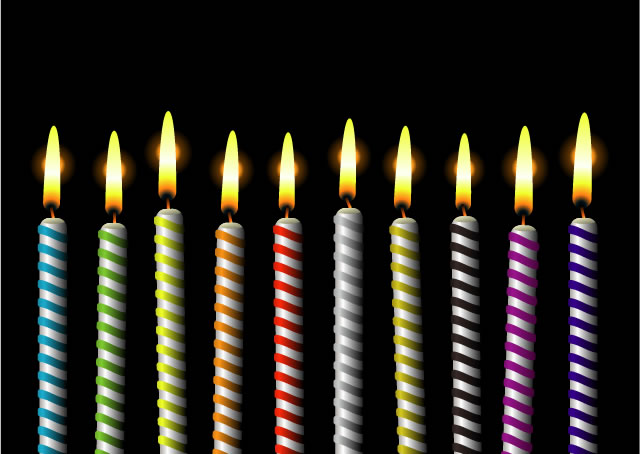
So today, I pay tribute to WordPress, its founder and its bright future. Thank you Matt, thank you to the WordPress community, and to the many developers who keep making it better and better. Happy birthday, WordPress!